Astro Cycles
Know yourself


Astrology does not predict fixed outcomes with certainty. It examines patterns in planetary cycles and correlates them with tendencies in timing and behaviour.
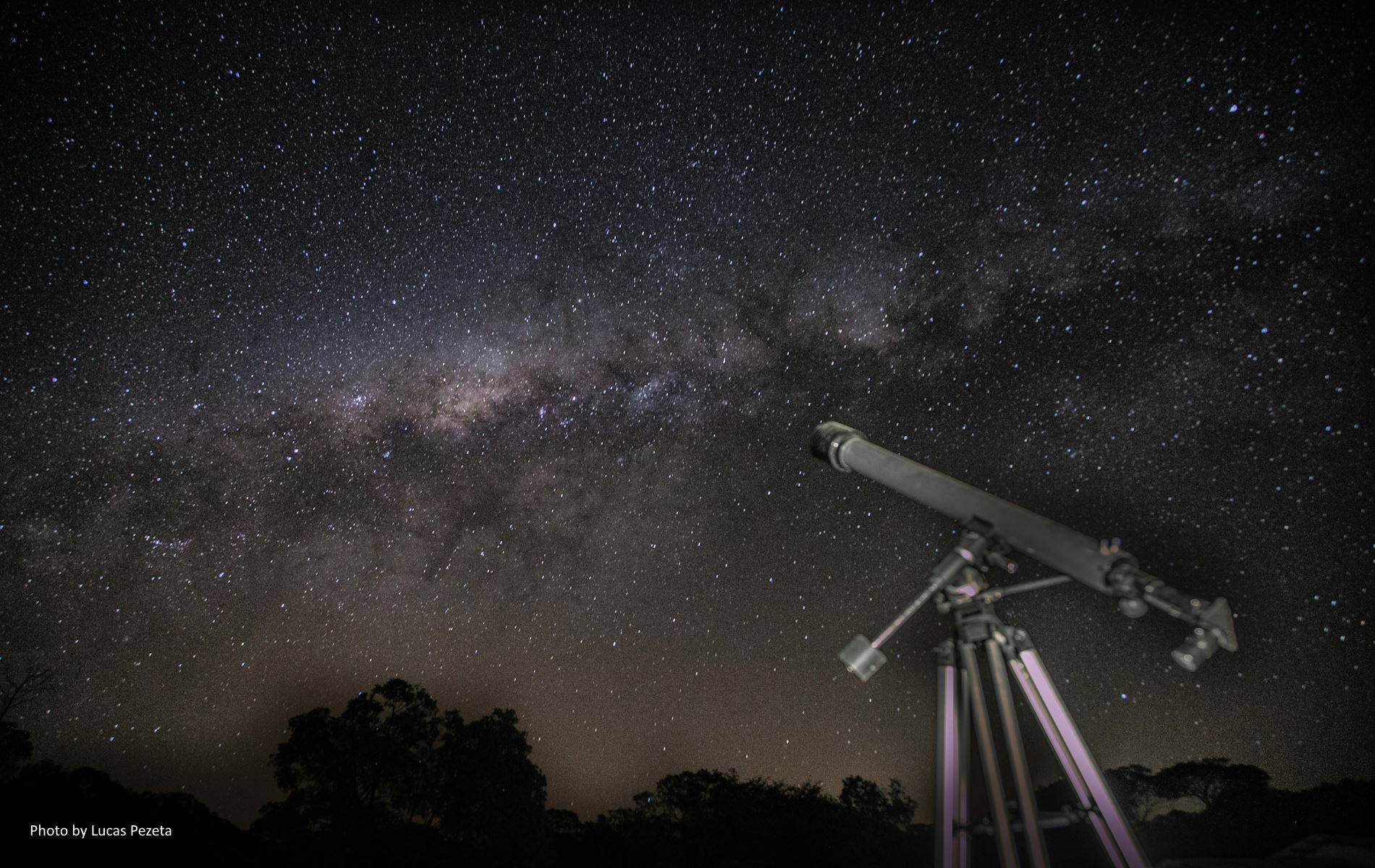
We track cycles in the solar system and how they appear to align with patterns in human experience.

Karma is often understood as the interaction between past patterns and present conditions, reflected symbolically in a birth chart.
Articles
Saturn and Neptune find themselves together in Aries for the first time in over 300 years and will hang in tandem for 26 months. It's a
strange combination really because they are so unbelievably opposite.
Saturn is disciplined and determined. Neptune is idealistic and dreamy. Saturn does. Neptune thinks. Saturn lasts to the bitter end. Neptune
is inspired to drift off into something else. Imagine a German engineer trying to have a conversation with Bob Marley and the contradictions
become all too apparent.

Lets clear up one thing quickly - astrology doesn't do anything. Never has and never will. Astrology doesn't make us do anything and is not
responsible for any of our actions. But its been noted that astrologers are able to look at certain planetary alignments and draw conclusions.
This is beneficial if someone chooses to note the signs and take advantage of them.
So lets start at the beginning : the Maya, the Greeks, the Egyptians, the Romans, the Chinese and nearly all other ancient civilizations were aware
of the orbit of the earth around the Sun and the Moon around the earth. We have identified record-keeping going back at least 5000 years and it's
clear that planetary movement played a social role in time-keeping, festivals, harvests and agricultural events.
Astrology is one of humanity’s oldest symbolic systems, developed across many cultures as a way of understanding personality, destiny,
relationships, and the cycles of life. At its core, astrology is based on the idea that the movements of celestial bodies reflect patterns
and meanings within human experience. The three major traditions most widely practiced today are Western, Vedic, and Chinese astrology.
Western astrology focuses on personality, psychology, and self-development; Vedic astrology, originating in ancient India, places greater
emphasis on karma, destiny, and spiritual evolution and Chinese astrology, rooted in Chinese philosophy, considers cycles of years,
symbolic animals and harmony between the individual and the natural world.
Despite their differences, all three systems attempt to answer the same type of questions: Who am I? What is my life about?
This is what makes it so interesting: different cultures have always asked the same questions; using the planets and stars to get answers.
When does a nation define itself as such? How far back do we go and to what event? In modern
America, we can look to the Civil War, the Declaration of Independence, the Boston Tea Party or
the arrival of the British army in 1664. In Britain, the unification of England and Scotland, Oliver
Cromwell or the Magna Carta.
For South Africa, I have chosen the Boer War of 1899 - 1902. The reasons are many and varied,
which include two opposing forces, a quest for independence, vicious attacks on civilians,
internment, imposed starvation and summary executions for traitors. In short, all the elements of a
fight for the very soul of a land and its people.